

Metal jacket gasket
Metal jacket gasket (envelope gasket)
This is a gasket with a core made of highly heat-resistant non-asbestos sheet or ceramic sheet, covered with a thin metal plate.
- Company:大野社
- Price:Other
1~5 item / All 5 items
Metal jacket gasket (envelope gasket)
This is a gasket with a core made of highly heat-resistant non-asbestos sheet or ceramic sheet, covered with a thin metal plate.
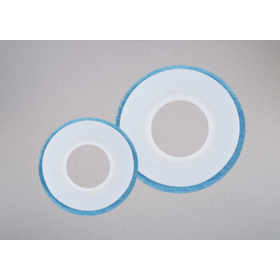
A thorough comparison of the four core materials that determine performance: N, S, H, and F types.
"In a line handling highly corrosive chemicals, leaks from flanges are absolutely unacceptable. Flanges with glass lining or resin lining cannot withstand high tightening forces." This presents the most demanding sealing challenge, requiring both advanced chemical resistance and the ability to conform to delicate flange surfaces. One solution to this challenge is the "Fluororesin Jacket Gasket" series from Vulcan Corporation. In this article, we will thoroughly explain why this high-performance composite gasket is trusted in many chemical plants, covering its basic structure, the differences among the four main core materials (N, S, H, F types) that determine its performance, and the essential precautions that must be followed for safe use, all from a professional perspective. *For detailed content of the column, please refer to the related links. For more information, feel free to download the PDF or contact us directly.*

Compatible with various conditions! This is a high-temperature zero-asbestos gasket that does not contain asbestos.
The NAPI series is a high-performance gasket that combines metal and inorganic materials, offering excellent sealing properties and high heat resistance (400℃ to 1200℃), and can be used at lower surface pressures than metal gaskets. It features a structure where a robust heat-resistant inorganic material that contains no asbestos is encapsulated in metals such as copper and SUS. We can also accommodate material changes to meet specific requirements. It is widely used in fields where sealing performance and durability are required at high temperatures. 【Features】 ○ High-temperature zero-asbestos gasket ○ Heat resistance over 600℃ ○ Compliant with IOS22262-1 ○ Various conditions can be accommodated by changing the metal materials ○ Support for material changes, etc. For more details, please contact us or download the catalog.
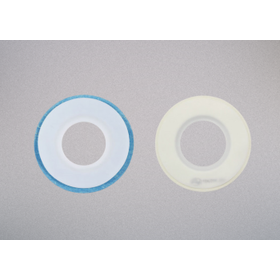
A thorough explanation of the three major benefits that jacket gaskets bring to the site and how to choose them on-site.
"In a line handling strong acids and strong alkalis, the degradation and leakage of gaskets occur frequently." "With glass-lined flanges, it is impossible to apply clamping force, resulting in unstable seals." "Every time maintenance is performed, we struggle to peel off gaskets that have adhered to the flanges." These are serious sealing issues that arise daily in demanding environments such as chemical plants and pharmaceutical and food factories. To fundamentally solve these challenges, the high-performance sealing material designed with the philosophy of 'the right material in the right place' is the 'fluororesin jacket gasket' from Valkar Co., Ltd. In this article, we will delve into the three significant benefits that this high-performance composite gasket brings to the field, how it can solve the challenges you face, and provide specific guidelines for selecting the right product from a wide range of options, explained thoroughly from a professional perspective. *For detailed content of the column, you can view it through the related link. For more information, please download the PDF or feel free to contact us.*
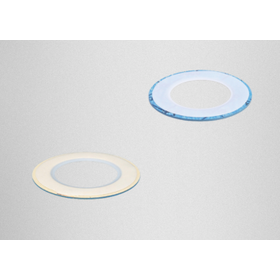
A thorough explanation from a professional perspective on the differences among the four main core materials that determine performance, along with important precautions to keep in mind.
In a line handling highly corrosive chemicals, leaks from flanges are absolutely unacceptable. With flanges that are glass-lined or resin-lined, high tightening force cannot be applied. These are the most demanding sealing challenges that require both advanced chemical resistance and the ability to conform to delicate flange surfaces. One solution to this difficult problem is the 'Fluororesin Jacket Gasket' series from Vulcan Corporation. In this article, we will thoroughly explain why this high-performance composite gasket is trusted in many chemical plants, covering its basic structure, the differences among the four main core materials (N, S, H, F types) that determine its performance, and the essential precautions that must be followed for safe use, all from a professional perspective. *For detailed content of the column, please refer to the related links. For more information, please download the PDF or feel free to contact us.
